Why 70% of Brands Choose Micro Influencers in 2026
 Mohit Kumar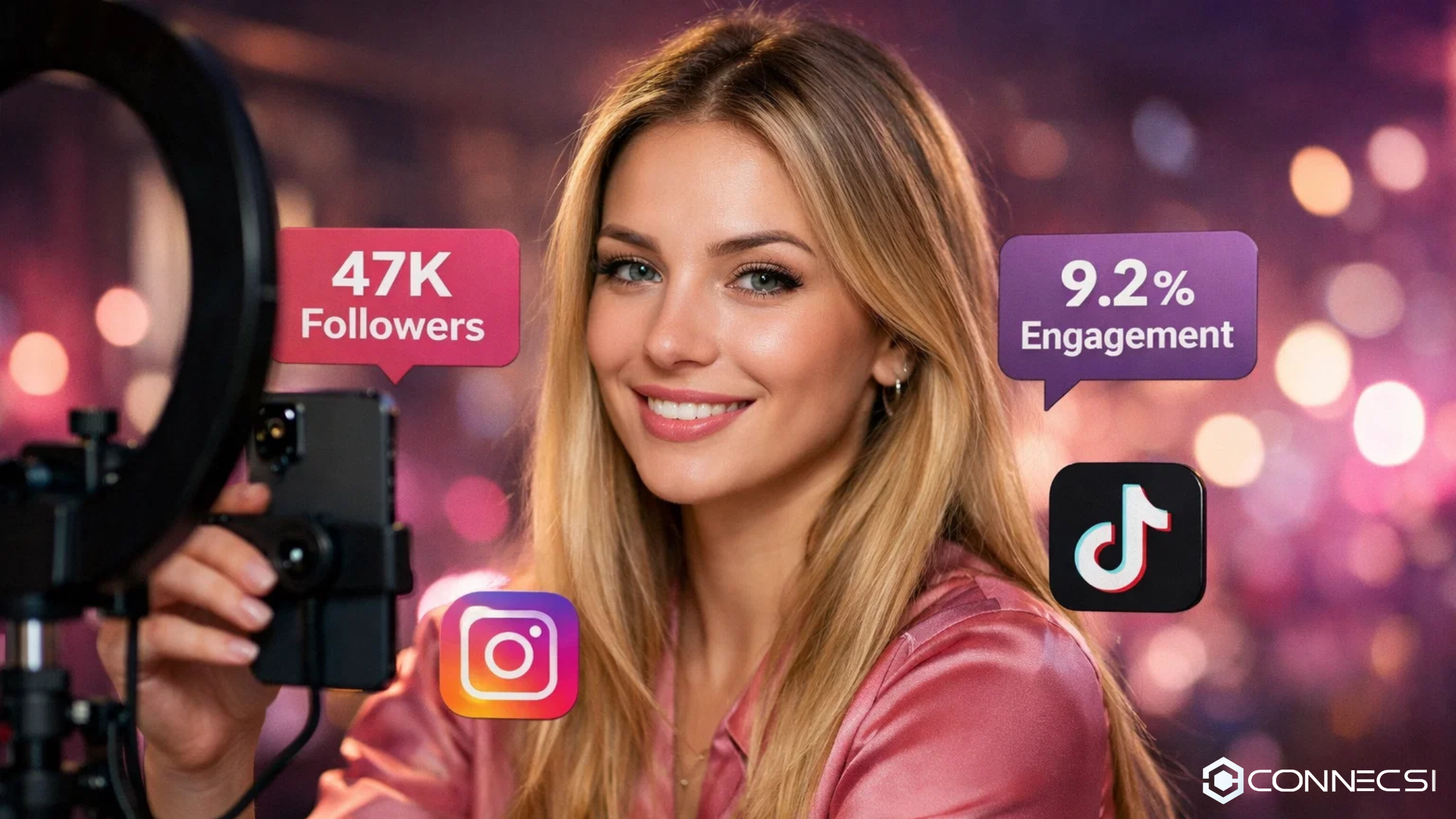
On this page
- Introduction
- Pro Tip
- Reason 1: Superior Engagement Rates That Drive Real Results
- Reason 2: Cost-Effectiveness and Budget Efficiency
- Reason 3: Niche Expertise and Hyper-Targeted Audiences
- Reason 4: Authentic Trust and Community Relationships
- Reason 5: Better Conversion Rates and Measurable ROI
- Reason 6: Easier Relationship Management and Creative Collaboration
- Reason 7: Platform Algorithm Advantages
- Reason 8: Scalability and Risk Diversification
- Industry Examples: Brands Leading the Micro Shift
- The Future: Why This Trend Will Accelerate
- Key Takeaways
- Conclusion
A remarkable shift has transformed influencer marketing over the past three years. In 2026, 70% of brands now prioritize partnerships with micro influencers over celebrity mega influencers and even macro creators—a dramatic reversal from 2020 when only 34% of brands focused on this tier. This isn't a fleeting trend driven by hype; it's a strategic reorientation based on hard performance data, measurable ROI, and fundamental changes in how consumers discover and trust brands online.
According to Statista's influencer marketing analysis, brands working with micro influencers report 3.5x higher engagement rates, 60% better conversion performance, and average ROI of 520% compared to 280% for macro influencer campaigns. These aren't marginal improvements—they represent fundamental advantages that make micro influencers the cornerstone of effective influencer marketing strategies.
This comprehensive analysis explores the eight key reasons why leading brands across industries have shifted budgets, resources, and strategic focus toward micro influencer partnerships. Whether you're a marketing agency managing client campaigns, a brand launching your first influencer program, or an executive evaluating marketing channel effectiveness, understanding this shift provides critical insights for allocating resources and maximizing marketing ROI in today's creator economy.
The 70% brand preference for micro influencers doesn't mean abandoning larger creators entirely. The most sophisticated approach combines micro influencers for ongoing engagement and conversion with selective macro partnerships for major launches or awareness pushes. Think of micro influencers as your marketing foundation and macro influencers as occasional amplification.
Reason 1: Superior Engagement Rates That Drive Real Results
The single most compelling reason brands choose micro influencers is their dramatically higher engagement rates. Understanding what makes micro influencers unique helps explain this engagement advantage.
Micro influencers with 10,000-100,000 followers consistently achieve 8-10% engagement rates on Instagram, 9-11% on TikTok, and 3-5% on YouTube. Compare this to macro influencers' 2-4% Instagram engagement, 3-5% TikTok engagement, and 1-2% YouTube engagement. According to Later's engagement research, this difference persists across all major platforms and content categories.
But engagement rates alone don't tell the complete story. The quality of engagement matters equally. Micro influencer posts generate substantive comments with questions, detailed feedback, and genuine conversations. Followers tag friends who would actually be interested in the content. They save posts for future reference and share content to their own stories. These behaviors signal authentic interest and create multiple brand exposure touchpoints beyond the original post.
Macro influencer posts, by contrast, often generate generic comments ("Nice!" "Love this!" or emoji-only responses) that indicate passive consumption rather than active engagement. The engagement that does occur comes from a smaller percentage of their total audience, suggesting many followers are inactive or unengaged.
For brands, higher engagement translates directly to better campaign performance. More engagement means more people seeing and interacting with branded content, more opportunities for followers to ask product questions in comments, and more social proof that influences purchase decisions. When 10% of a micro influencer's 40,000 followers engage with a post, 4,000 people actively interact with your brand message—creating awareness, consideration, and conversion opportunities that passive impressions simply cannot match.
Reason 2: Cost-Effectiveness and Budget Efficiency
Budget realities drive strategic decisions, and micro influencers deliver exceptional value per dollar spent. Detailed micro influencer pricing analysis reveals the stark cost differences between creator tiers.
A typical brand with a $10,000 influencer marketing budget faces a critical choice: invest the entire amount in one macro influencer post, or distribute it across 10-15 micro influencer partnerships. The macro approach generates one piece of content reaching perhaps 500,000 followers with 3% engagement (15,000 interactions). The micro approach creates 10-15 unique pieces of content reaching 300,000-500,000 combined followers with 8-10% average engagement (24,000-50,000 interactions).
Beyond raw engagement numbers, the micro approach provides additional advantages: testing capability across different creators and content styles, risk diversification if one partnership underperforms, geographic and demographic diversity reaching multiple audience segments, and sustained visibility as different creators post throughout the campaign period rather than one concentrated moment.
The cost-per-engagement calculation makes the efficiency gap undeniable. If a micro influencer charges $800 for a post generating 4,000 engagements, the cost per engagement is $0.20. A macro influencer charging $10,000 for a post generating 15,000 engagements costs $0.67 per engagement—more than three times as expensive for the same metric.
For small to mid-sized brands with limited marketing budgets, micro influencers democratize access to influencer marketing. A startup can execute meaningful influencer campaigns with $2,000-$5,000 budgets that would be insufficient for even a single macro influencer partnership. This accessibility has opened influencer marketing to businesses that previously couldn't afford to play in this channel.
Reason 3: Niche Expertise and Hyper-Targeted Audiences
Micro influencers build followings around specific niches, creating precisely targeted audiences that macro influencers' broad appeal cannot match.
A micro influencer focused on "sustainable fashion for working professionals" attracts followers who care deeply about that specific intersection. Her audience likely includes 25-45 year old women with professional careers, disposable income, environmental values, and active interest in fashion that aligns with those values. When a sustainable clothing brand partners with her, nearly 100% of her audience represents qualified potential customers.
A general fashion macro influencer with 500,000 followers reaches a much broader, less qualified audience. Her followers span all age ranges, income levels, geographic markets, and interest areas. Maybe 20-30% care about sustainability specifically. The brand pays for reach to 500,000 people but only 100,000-150,000 represent actual target customers—and those qualified prospects are diluted among a much larger irrelevant audience.
This targeting precision extends beyond demographics to psychographics and behavioral characteristics. Micro influencers in specialized niches attract followers who self-select based on specific interests, values, and purchase intent. A micro influencer reviewing productivity tools for remote workers reaches people actively seeking solutions in that category. A macro lifestyle influencer might mention the same tool, but most followers aren't remote workers and won't care about that particular product category.
Research from Shopify's e-commerce influencer analysis shows that niche targeting increases conversion rates by 35-60% compared to broad-audience campaigns. When every follower represents a potential customer, every impression carries higher value than impressions wasted on uninterested audiences.
Reason 4: Authentic Trust and Community Relationships
The trust gap between micro and macro influencers fundamentally shapes campaign effectiveness and brand safety.
Micro influencers maintain genuine personal relationships with their communities. They respond to comments individually, recognize regular followers by name, answer DM questions personally, and create content directly addressing audience feedback and requests. Their followers don't just follow them—they know them, trust them, and view their recommendations as advice from a knowledgeable friend rather than celebrity endorsements from distant personalities.
This authentic relationship dynamic creates psychological conditions where recommendations carry weight. When a micro influencer whose expertise you've followed for months recommends a product, you're likely to try it because you trust her judgment based on consistent valuable content. When a macro influencer you casually follow among hundreds of other accounts mentions a sponsored product, you're more skeptical about whether the endorsement reflects genuine use or simply a paid promotion.
Brand safety considerations also favor micro influencers. Their smaller audiences and lower public profiles create less risk of controversial statements or associations damaging brand reputation. They typically have cleaner content histories that are easier to audit comprehensively. And when issues do arise, the impact is contained to smaller audiences rather than generating viral negative attention.
The authenticity factor also influences content quality. Micro influencers typically only partner with brands they genuinely like or products they actually use. They maintain selectivity because their audience trust depends on consistent authentic recommendations. Macro influencers sometimes accept numerous brand partnerships simultaneously—sometimes promoting 15-20 different brands monthly—which dilutes authenticity and makes followers skeptical of whether any recommendations are genuine.
Reason 5: Better Conversion Rates and Measurable ROI
Ultimately, brands care about business outcomes, and micro influencers consistently outperform on conversion metrics and bottom-line ROI.
Industry data from 2026 shows micro influencer campaigns converting at 3-5% rates (meaning 3-5% of people who click through to brand websites make purchases) compared to 1-2% for macro influencer campaigns. This 2-3x conversion advantage stems from multiple factors: higher audience trust leading to stronger purchase intent, more qualified niche audiences already interested in the product category, authentic recommendations that overcome skepticism, and engaged followers who actively seek information rather than passively consuming content.
ROI calculations make the performance gap concrete. Micro influencer campaigns generate average 520% ROI—for every $1 spent on creator partnerships, brands generate $6.20 in revenue. Macro influencer campaigns average 280% ROI—$3.80 generated per dollar spent. While both deliver positive returns, the 85% higher ROI for micro influencers makes them dramatically more efficient at converting marketing spend into revenue.
Attribution clarity also favors micro influencers. When working with 10-15 micro creators, brands can track which specific influencers drive conversions through unique discount codes, custom UTM parameters, or affiliate links. This granular data reveals which creator partnerships deliver best results, which niches convert most effectively, and which content types drive action. Macro influencer campaigns provide less detailed attribution—you know the campaign generated revenue but have limited visibility into which audience segments converted or why.
For strategic guidance on measuring these outcomes accurately, explore resources on tracking influencer marketing ROI to ensure you're capturing the full value micro influencers deliver.
Reason 6: Easier Relationship Management and Creative Collaboration
Operational efficiency and partnership quality differ substantially between micro and macro creator relationships.
Micro influencers typically communicate directly with brands without agency intermediaries. This direct access enables faster response times, more collaborative creative development, and relationship-building that feels like true partnership rather than transaction. Brands can iterate on content concepts, provide product education, and establish ongoing dialogues that improve campaign outcomes and create foundation for long-term ambassador relationships.
Micro influencers also demonstrate greater flexibility and responsiveness. They're often excited about brand partnerships and willing to accommodate timing needs, content revisions, or campaign adjustments. They treat partnerships professionally while maintaining collaborative spirit that makes working together enjoyable and productive.
Macro influencers, by contrast, typically work through management agencies or representatives who handle all communication. This adds layers between brand and creator, slowing response times and limiting direct creative collaboration. Their higher demand and busier schedules make them less flexible about timing or special requests. Content approval processes become more formal and rigid, reducing collaborative spirit.
The operational burden also differs significantly. Managing 10 micro influencer partnerships requires more individual outreach and relationship maintenance than one macro partnership, but modern influencer management platforms streamline these workflows efficiently. Many brands find that distributed micro relationships, while more numerous, actually create less complexity than navigating agency bureaucracy and formalized processes that macro partnerships often require.
Long-term partnership potential strongly favors micro influencers as well. Brands can develop 3-6 month or even 12+ month ambassador programs with micro creators, building genuine brand affinity and authentic ongoing advocacy. These sustained relationships create compounding value as influencers become true brand experts and enthusiastic advocates. Macro influencers' higher costs and numerous competing brand partnerships make long-term exclusive relationships economically challenging and strategically less feasible.
Reason 7: Platform Algorithm Advantages
Social media platform algorithms increasingly favor the engagement patterns micro influencers generate, creating algorithmic amplification that extends reach beyond follower bases.
Instagram's algorithm prioritizes content generating high engagement velocity (rapid likes, comments, shares within the first 30-60 minutes after posting). Micro influencer posts typically achieve this engagement concentration because their followers actively check for new content and engage immediately. This signals quality to Instagram, earning explore page placement and suggested content features that expose posts to non-followers.
Macro influencer posts, despite higher absolute engagement numbers, often achieve lower engagement velocity because followers are more passive and engagement distributes across longer time periods. Instagram's algorithm interprets slower engagement buildup as lower content quality, limiting algorithmic amplification.
TikTok's For You Page algorithm evaluates watch time, completion rate, and engagement relative to followers. Micro creators' highly engaged audiences watch videos completely and interact consistently, signaling strong content quality. According to Hootsuite's TikTok algorithm research, this gives micro creators algorithmic advantages that can make their videos reach audiences 10-50x larger than their follower count—effectively giving them macro-level reach while maintaining micro-level engagement quality.
YouTube's recommendation algorithm rewards watch time retention and subscriber loyalty—metrics where engaged micro influencer audiences excel. Viewers who discovered a micro creator through genuine interest watch videos completely and return for new content consistently, generating signals YouTube rewards with recommended video placement and suggested content features.
These algorithmic dynamics mean micro influencer partnerships often deliver reach that exceeds what follower counts alone would suggest, creating unexpected bonus exposure that further enhances their cost-effectiveness.
Reason 8: Scalability and Risk Diversification
Strategic campaign architecture and risk management considerations increasingly favor micro influencer approaches.
Micro influencer strategies scale naturally. Brands can start with 3-5 creators to test the channel, measure results, and refine approach with minimal budget commitment. Strong performers evolve into long-term ambassadors while underperformers are simply not renewed—no significant sunk cost or strategic disruption. As results prove out, scaling from 5 to 15 to 30 micro influencers happens incrementally, building robust creator networks that provide consistent brand presence across platforms, geographic markets, and audience segments.
This distributed approach also diversifies risk. If one micro influencer partnership underperforms or a creator experiences controversy, the impact affects only a small portion of total campaign investment. Brands can quickly adjust strategy, replace underperforming creators, or pivot to different niches without major budget or strategic disruption.
Macro influencer approaches concentrate risk dramatically. Investing $20,000-$50,000 in a single macro partnership creates significant exposure if that campaign underperforms, the creator's content doesn't resonate, or worse, the influencer experiences reputation issues shortly after posting. The entire campaign investment can evaporate with limited recourse or recovery options.
Geographic and demographic diversification also works better with micro approaches. Rather than one macro influencer reaching a broad national audience, brands can partner with local micro influencers in 5-10 key markets, creating locally relevant content that resonates more strongly while achieving similar total reach. Demographic targeting works similarly—partnering with micro influencers across different age segments, cultural backgrounds, or lifestyle categories allows precision targeting impossible with single-creator macro approaches.
For comprehensive guidance on implementing these strategies, review our resource on finding and vetting micro influencers to build effective creator networks.
Industry Examples: Brands Leading the Micro Shift
Real-world brand success stories illustrate why this 70% preference isn't theoretical—it's based on proven results.
Glossier built its entire brand largely through micro influencer partnerships and user-generated content from customers with 10,000-50,000 followers. By elevating community members to micro influencer status and creating genuine two-way relationships, Glossier achieved $1 billion+ valuation with minimal traditional advertising spend. Their approach demonstrated micro influencer strategies could drive massive business outcomes at scale.
Daniel Wellington transformed from unknown watch brand to $200 million revenue company primarily through micro influencer marketing on Instagram. They partnered with thousands of micro influencers globally, providing watches and unique discount codes to track attribution. This distributed micro approach built brand awareness and drove direct sales far more efficiently than traditional advertising could have achieved.
Gymshark built a $1.3 billion fitness apparel company by partnering with fitness micro influencers before they became famous. Many of these early partnerships evolved into long-term ambassadorships as both brand and creators grew together. This demonstrates micro influencer strategies' potential for identifying emerging talent and building mutually beneficial growth relationships.
These examples share common patterns: starting with micro influencers early, building authentic relationships rather than transactional partnerships, scaling through distributed networks rather than celebrity concentrations, and prioritizing measurable conversion and sales over awareness vanity metrics.
The Future: Why This Trend Will Accelerate
Several converging factors suggest brand preference for micro influencers will increase beyond current 70% levels.
Consumer skepticism of traditional advertising and celebrity endorsements continues rising. Gen Z and younger Millennials particularly distrust obvious marketing and seek authentic peer recommendations. Micro influencers' genuine community relationships align perfectly with these evolving consumer preferences.
Platform algorithms increasingly reward engagement quality over vanity metrics. As Instagram, TikTok, and YouTube refine algorithms to surface content users genuinely care about, micro influencers' high engagement rates give them growing advantages in algorithmic distribution.
Attribution technology improves, making ROI measurement more precise. As brands gain better tools for tracking which influencer partnerships drive actual sales, the performance advantages micro influencers deliver become increasingly visible and undeniable in board-level reporting.
Influencer marketing budgets continue growing overall. As the channel proves effectiveness, brands allocate larger percentages of total marketing spend to influencer partnerships. This budget growth enables working with more micro creators simultaneously, reducing dependency on single macro partnerships.
Creator economy maturation produces more professional micro influencers. As influencer marketing becomes established career path, more creators professionalize at the micro tier, improving content quality, reliability, and partnership sophistication without requiring macro-level follower counts.
Understanding the comparison between micro and macro influencers provides additional strategic context for why this shift will likely continue accelerating.
- 70% of brands now prefer micro influencers based on superior engagement rates (8-10% vs 2-4%), better conversion performance (3-5% vs 1-2%), and higher ROI (520% vs 280%)
- Cost-effectiveness makes micro influencers accessible to brands of all sizes—$10,000 budgets can fund comprehensive campaigns with 10-15 creators versus single macro partnerships
- Niche expertise and hyper-targeted audiences ensure nearly 100% of micro influencer followers represent qualified potential customers, compared to 20-30% for broad-appeal macro creators
- Authentic trust and genuine community relationships drive higher conversion rates as followers view micro influencer recommendations as trusted advice rather than celebrity endorsements
- Platform algorithms favor micro influencers' high engagement patterns, often delivering reach 10-50x beyond follower counts through explore pages and recommended content features
- Strategic advantages include easier relationship management, natural scalability from 5 to 30+ creators, risk diversification across multiple partnerships, and long-term ambassador potential that macro relationships rarely achieve
Conclusion
The 70% brand preference for micro influencers in 2026 isn't a trend—it's a fundamental strategic shift based on performance data, ROI optimization, and alignment with how modern consumers discover and trust brands. Every metric that matters—engagement rates, conversion performance, cost-efficiency, audience quality, authentic trust, and measurable ROI—favors micro influencers over larger creator tiers.
This doesn't mean macro influencers lack value or that celebrity partnerships can't serve specific strategic purposes. Brand awareness campaigns, major product launches targeting mass markets, or companies with substantial budgets seeking cultural moment creation may still benefit from selective macro partnerships. But for the vast majority of brands, micro influencers deliver superior results across the metrics that drive business outcomes.
The brands thriving in influencer marketing in 2026 understand this reality and have restructured their creator partnerships accordingly. They've moved from chasing follower counts and celebrity associations to building distributed networks of authentic micro advocates whose engaged communities deliver measurable business value. They've embraced the operational complexity of managing multiple creator relationships in exchange for the strategic benefits of risk diversification, audience precision, and cost-effectiveness.
As this shift continues accelerating—driven by improving attribution technology, evolving consumer preferences, and platform algorithm changes—the brands still concentrating budgets on macro and mega influencers will find themselves at growing competitive disadvantage. The future of influencer marketing isn't about finding the biggest names with the most followers; it's about building authentic relationships with micro creators whose engaged communities drive real business results.
Ready to join the 70% of brands seeing superior results with micro influencers? Connecsi's platform helps you discover, vet, and manage micro influencer partnerships that deliver measurable ROI—combining the targeting precision and authentic engagement brands need with the scalability and efficiency modern marketing demands.
More insights for you.

What Your Favorite Creators Actually Earn: Inside the Highest Paid Creators of 2026
MrBeast made $300M. Another creator made $31M from just 10 million followers. Here's what the top 10 actually sell, and the do's and don'ts to borrow.

Your UGC Portfolio: You Need 5 Videos Before Any Brand Will Pay You
Most new creators pitch with nothing attached and blame a saturated market. Five sample videos changes every conversation. Here's exactly what to shoot.

Influencer Marketing Attribution: Why You Still Can't Prove What Worked
Your finance lead asks which sales came from creators. Most brands can't answer. Here's why the tracking breaks, and the stack that actually holds up.
Fresh insights.
Straight to your inbox.
- Creator partnerships
- Campaign guidance
- Industry insights