What is a Micro Influencer? Definition, Benefits & Examples
 Mohit Kumar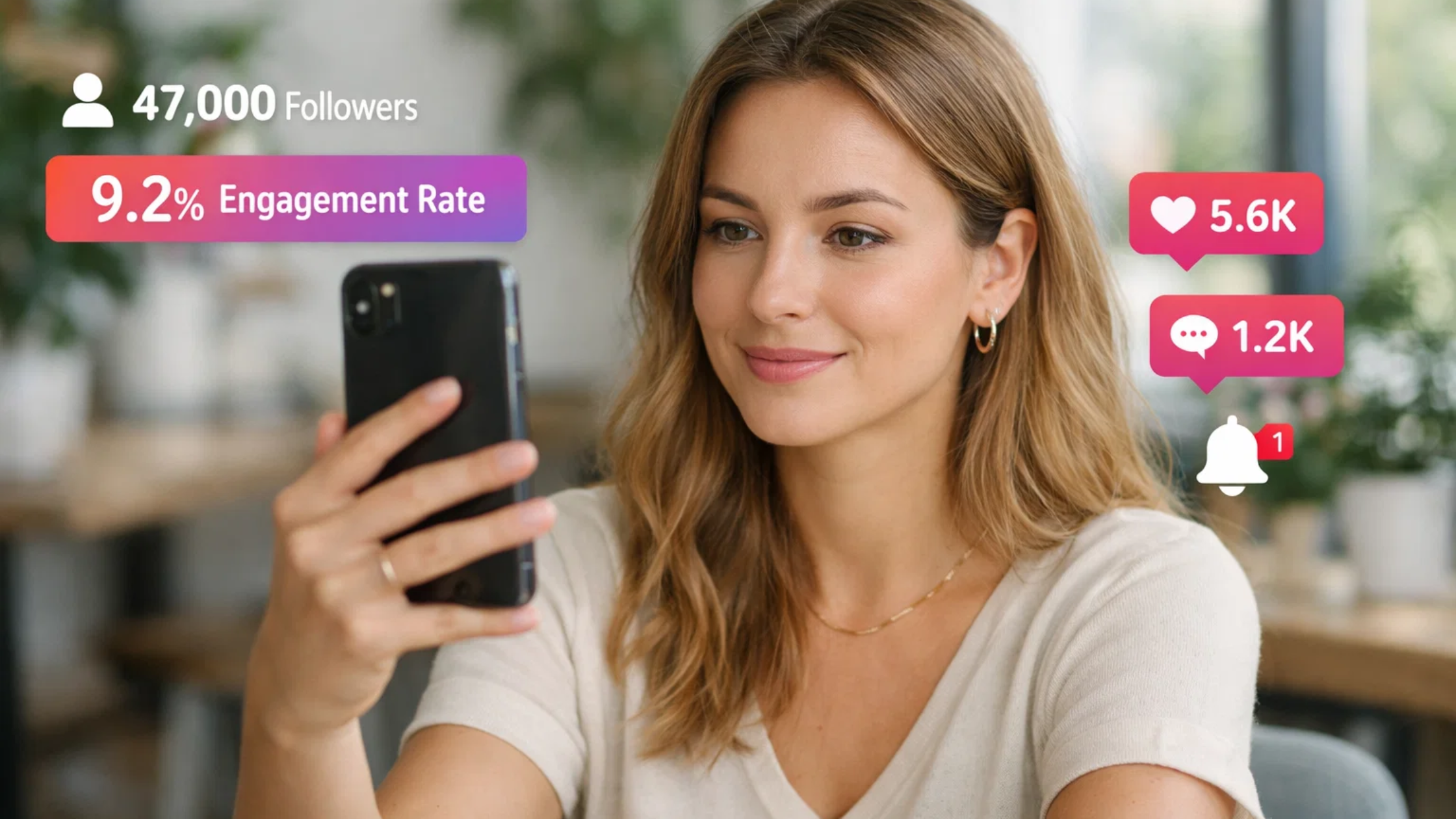
The influencer marketing landscape has evolved dramatically over the past few years, and micro influencers have emerged as the secret weapon for brands seeking authentic engagement and measurable ROI. In 2026, a surprising 70% of brands now prefer working with micro influencers over their celebrity counterparts, and for good reason. These content creators deliver higher engagement rates, better conversion metrics, and more authentic connections with their audiences.
But what exactly is a micro influencer, and why are they reshaping how brands approach influencer marketing? This comprehensive guide will walk you through everything you need to know about micro influencers—from the exact definition and key characteristics to proven benefits and real-world success stories. Whether you're a marketing agency, brand manager, or entrepreneur exploring influencer partnerships for the first time, understanding micro influencers is essential for staying competitive in today's creator economy.
What is a Micro Influencer?
A micro influencer is a social media content creator with a follower count between 10,000 and 100,000 who has built a highly engaged, niche-focused audience through consistent, authentic content. Unlike celebrity influencers who reach millions but often struggle with genuine engagement, micro influencers occupy the sweet spot where credibility meets scale.
These creators typically specialize in specific niches—whether that's sustainable fashion, fitness for busy professionals, budget travel, plant-based cooking, or tech reviews for small businesses. Their audiences aren't just passive scrollers; they're active community members who trust the influencer's recommendations and actively engage with their content through comments, shares, and saves.
Micro influencers often outperform larger influencers in conversion rates despite smaller reach. A micro influencer with 50,000 engaged followers can drive more sales than a macro influencer with 500,000 passive followers. When evaluating potential partnerships, look at engagement metrics first, follower count second.
To understand where micro influencers fit in the influencer ecosystem, it helps to see the complete tier breakdown:
| Tier | Follower Range | Avg Engagement Rate | Best For |
|---|---|---|---|
| Nano | 1K-10K | 10-15% | Hyper-local, niche markets |
| Micro | 10K-100K | 8-10% | Targeted campaigns, ROI focus |
| Macro | 100K-1M | 2-4% | Brand awareness, reach |
| Mega | 1M+ | 1-2% | Mass market campaigns |
What makes micro influencers particularly powerful is their 8-10% average engagement rate—nearly four times higher than macro influencers and significantly better than mega influencers. This means their followers don't just see their content; they actively interact with it, creating genuine opportunities for brand exposure and conversion.
Why Micro Influencers Are Taking Over Marketing
The shift toward micro influencers isn't just a trend—it's a strategic response to fundamental changes in how consumers discover and trust brands online. According to Grand View Research, the influencer marketing industry reached $32.6 billion in 2025, with micro influencers claiming an increasingly larger share of brand budgets and campaign outcomes.
Several key factors explain why brands are shifting to micro influencers at such a rapid pace. First, social media platform algorithms have evolved to prioritize engagement over raw reach. According to Hootsuite's social media trends report, Instagram, TikTok, and YouTube now reward content that sparks genuine conversation, and micro influencers excel at creating this kind of interactive content. Their posts generate more comments, shares, and saves per follower than content from larger accounts.
Second, consumer trust in traditional celebrity endorsements has declined sharply. Modern consumers, particularly Gen Z and younger Millennials, are skeptical of overtly commercial partnerships where a celebrity clearly doesn't use the product they're promoting. Micro influencers, by contrast, built their followings by genuinely using and recommending products in their niche. When they partner with a brand, it feels like a natural extension of their content rather than a disruptive advertisement.
Third, the rise of niche communities on social platforms has created perfect ecosystems for micro influencers to thrive. Whether it's sustainable fashion on Instagram, tech reviews on YouTube, or home organization on TikTok, these specialized communities value expertise and authenticity over fame. Micro influencers speak the language of these communities because they are active, respected members themselves.
Finally, cost-effectiveness has made micro influencers accessible to brands of all sizes. While a single post from a mega influencer might cost $50,000 or more, working with micro influencers allows brands to execute multi-creator campaigns for a fraction of that budget. This democratization of influencer marketing means small businesses and startups can now compete with enterprise brands in the creator space.
7 Key Benefits of Micro Influencers
Understanding the benefits of micro influencers helps explain why they've become the cornerstone of modern influencer marketing strategies.
Higher Engagement Rates
The numbers don't lie: according to Later's influencer marketing research, micro influencers consistently deliver 8-10% engagement rates compared to 2-3% for macro influencers and just 1-2% for mega influencers. This isn't a small difference—it's a fundamental shift in how audiences interact with content. When a micro influencer posts about a product, their followers actively comment with questions, tag friends who might be interested, save the post for future reference, and share it to their own stories. These actions signal genuine interest and create multiple touchpoints for brand exposure beyond the initial post.
Better ROI and Cost-Effectiveness
Micro influencer collaborations typically range from $500 to $2,000 per post, depending on factors like follower count, engagement rate, platform, and content requirements. Compare this to macro influencers who charge $10,000 to $50,000 per post, and the value proposition becomes clear. Even more important than the lower upfront cost is the higher conversion rate. Because micro influencers have more trusted relationships with their audiences, their recommendations drive actual purchases at a higher rate than broader awareness campaigns from larger influencers. For a detailed breakdown of what you can expect to pay, check out our guide on micro influencer pricing.
Niche Expertise and Targeted Audiences
Micro influencers don't try to be everything to everyone. A fitness micro influencer might specifically focus on strength training for women over 40, while a food creator might specialize in 15-minute vegan meals for busy professionals. This specialization means their audience is highly qualified and aligned with specific brand objectives. When you partner with a micro influencer, you're not just reaching 50,000 random people—you're reaching 50,000 people who are already interested in exactly what you offer.
Authentic Trust and Credibility
Research from Oberlo's marketing statistics consistently shows that 89% of consumers trust influencer recommendations as much as advice from friends and family. This trust is even stronger with micro influencers because their followers often interact with them directly through comments and DMs. Unlike celebrities who feel distant and unapproachable, micro influencers maintain personal connections with their communities. When they recommend a product, it doesn't feel like advertising—it feels like a friend sharing a genuine discovery.
Creative Content Production
Micro influencers are content creation professionals who understand what works on each platform. They know the optimal video length for TikTok, the best carousel formats for Instagram, and how to structure YouTube videos for maximum retention. When you partner with them, you're not just getting distribution—you're getting high-quality, platform-native content that can be repurposed across your own channels. Many brands find that micro influencer content outperforms their own branded content in paid advertising because it feels more authentic and relatable.
Easier to Manage and Collaborate
Unlike macro and mega influencers who work through management agencies and have rigid content approval processes, micro influencers are typically more responsive, flexible, and eager to build long-term partnerships. You can often communicate directly with them, iterate on creative concepts together, and establish ongoing relationships that feel more like collaborations than transactions. This accessibility makes the partnership more enjoyable and often leads to better results as the influencer develops a deeper understanding of your brand over time.
Better Performance Metrics
The beauty of micro influencer campaigns is their measurability. With the right tracking mechanisms—unique discount codes, UTM parameters, affiliate links—you can directly attribute sales and conversions to specific influencers. This level of attribution is much harder to achieve with massive awareness campaigns from celebrity influencers. When you learn how to find micro influencers who align with your brand, you gain partners who deliver trackable, provable ROI rather than vague impressions and brand lift metrics.
Micro Influencer Success Stories: Real Examples
Theory is helpful, but real-world results tell the true story of micro influencer power.
Beauty Brand Success: Skincare Launch
A direct-to-consumer skincare brand launching a new retinol serum partnered with a micro influencer who had 45,000 followers and specialized in science-backed skincare education. Rather than a single sponsored post, they executed a product seeding strategy where the influencer received the product with no obligation to post. After using it for 30 days and experiencing genuine results, she created an in-depth review video breaking down the ingredient formulation, showing her skin transformation, and sharing her honest experience—including minor initial purging that resolved after two weeks.
The results were remarkable: 35% of viewers who clicked through to the brand's website made a purchase, generating $85,000 in sales from a single influencer partnership that cost the brand only the product value plus a $1,200 collaboration fee. The key takeaway? Authenticity drives conversions. The influencer's followers trusted her because she had a track record of honest reviews and deep expertise in the category.
Fitness Brand Scale: Multi-Influencer Campaign
An athletic wear brand wanted to launch a 30-day workout challenge to promote their new legging line. Instead of partnering with one large fitness influencer, they worked with 15 micro influencers with follower counts ranging from 15,000 to 80,000. Each influencer created content documenting their 30-day challenge experience, tagging the brand and using a campaign-specific hashtag.
The aggregated results outperformed any single macro influencer campaign the brand had run previously: 2.5 million total impressions with a 12% average engagement rate across all creators. More importantly, the diverse group of influencers meant the campaign reached different audience segments—yoga enthusiasts, CrossFit athletes, runners, and strength trainers—all with a single product line. This demonstrates how micro influencer campaigns can scale through numbers while maintaining the authentic, targeted feel that drives engagement.
Food Brand Impact: Local Influence
A restaurant group in a major metropolitan area wanted to drive weekend traffic to their newest location. They partnered with eight local food micro influencers—content creators with 20,000 to 50,000 followers who focused specifically on the city's dining scene. Each influencer was invited to a private tasting event where they could sample the full menu and meet the chef.
The influencers created a mix of Instagram Stories, Reels, and TikTok videos showcasing the restaurant's ambiance, signature dishes, and unique cocktails. Within two weeks of the campaign launch, the restaurant saw a 400% increase in weekend reservations, with many guests specifically mentioning they discovered the restaurant through one of the featured creators. The campaign's success highlighted how local micro influencers can drive foot traffic in ways that traditional advertising simply cannot match.
These campaigns shared common success factors: careful audience alignment, creative freedom for the influencers, performance-based tracking, and a focus on building relationships rather than executing one-off transactions.
Getting Started with Micro Influencers
Ready to integrate micro influencers into your marketing strategy? Here's a practical roadmap to get started.
Define Your Goals
Before reaching out to any creators, get crystal clear on what you want to achieve. Are you launching a new product and need awareness? Driving direct sales with a limited-time promotion? Building long-term brand advocates? Your goals will determine everything else—from which creators you partner with to how you structure compensation and measure success. For brands focused on conversions rather than just awareness, micro influencers are particularly well-suited because their audiences take action based on their recommendations.
Find the Right Micro Influencers
Discovery is the most critical and time-consuming part of the process. You need to identify creators who have the right audience demographics, authentic engagement, content quality, and brand alignment. Start by manually searching relevant hashtags on your target platforms, exploring your competitors' tagged posts, and using platform-specific search features. For more efficient discovery at scale, consider using specialized tools or platforms that offer advanced filtering by niche, engagement rate, audience demographics, and past brand partnerships. Our detailed guide on learning how to find micro influencers provides step-by-step strategies for both manual and technology-assisted discovery. Once you've identified potential partners, proper vetting processes ensure you're working with authentic creators.
Vet for Authenticity
Not all followers are created equal. Some influencers have inflated their numbers with purchased followers or engagement pods that artificially boost their metrics without delivering real influence. Before committing to a partnership, analyze their engagement patterns—do the comments feel genuine and relevant? Do the same few accounts comment on every post? Does their follower growth chart show suspicious spikes? Review their past brand collaborations to see if they're selective about partnerships or promote anything for a paycheck. This vetting process protects you from wasting budget on influencers who can't deliver results.
Build Relationships
Successful micro influencer partnerships feel like collaborations, not transactions. Personalize your outreach by referencing specific content they've created that resonated with you. Explain why your brand aligns with their niche and audience. Be transparent about expectations, deliverables, and compensation from the start. Understand what you can expect to invest by reviewing our guide on micro influencer pricing. Many micro influencers are open to creative compensation structures like product gifting plus commission, flat fees, or ongoing ambassador relationships rather than one-off sponsored posts.
Track and Measure Results
Set clear KPIs before launching any campaign. Use unique tracking mechanisms like custom discount codes, UTM-tagged links, or affiliate tracking to attribute results to specific influencers. Monitor both vanity metrics like reach and impressions and business metrics like click-through rate, conversion rate, and customer acquisition cost. This data will help you identify which creators drive the best results and inform your strategy for future campaigns.
Micro vs Macro Influencers: Which is Right for You?
The micro versus macro decision isn't about which type is objectively better—it's about which aligns with your specific goals, budget, and brand positioning.
When to Choose Micro Influencers:
Micro influencers make the most sense when you have a limited budget of $5,000 to $50,000 and want to maximize ROI rather than raw reach. They're ideal for niche products or services that appeal to specific audience segments—specialty foods, professional tools, hobby equipment, or category-specific apparel. If your primary goal is driving conversions and sales rather than brand awareness, micro influencers' high engagement and trusted recommendations typically outperform broader campaigns. They also work well when you want to test multiple creators, messages, or audience segments simultaneously without committing your entire budget to a single partnership.
When to Choose Macro Influencers:
Macro influencers are the right choice when you have a larger budget ($50,000+) and your primary objective is building brand awareness at scale. They work well for mass-market products where broad reach matters more than niche targeting—think consumer electronics, mainstream fashion, or beverages. If celebrity association or social proof from working with a well-known creator is important to your brand positioning, macro influencers deliver that perceived endorsement. They can also create cultural moments and virality in ways that micro influencers typically cannot.
The Hybrid Approach:
Many sophisticated brands use a pyramid strategy: one or two macro influencers for top-of-funnel awareness, complemented by 10-20 micro influencers for mid-funnel consideration and bottom-funnel conversion. This approach captures the benefits of both tiers while diversifying risk across multiple partnerships. For a detailed comparison between micro and macro influencers, including specific use cases and ROI benchmarks, explore our comprehensive analysis.
- Micro influencers have 10,000-100,000 followers and deliver 8-10% engagement rates—significantly higher than macro influencers' 2-3% and mega influencers' 1-2%
- 70% of brands now prefer micro influencers due to better ROI, authentic audience connections, and cost-effectiveness in an increasingly skeptical consumer landscape
- Micro influencer campaigns typically cost $500-$2,000 per post versus $10,000-$50,000 for macro influencers, making them accessible for small businesses and startup
- The key benefits include higher engagement rates, niche expertise, authentic trust, creative content production, easier collaboration, and measurable performance metrics
- Successful micro influencer campaigns prioritize audience alignment, creative freedom, and authentic relationships over follower count and vanity metrics
- To get started, define clear goals, find niche-aligned creators through manual research or specialized platforms, vet for authenticity, and track performance with specific KPIs
Conclusion
Micro influencers represent the evolution of influencer marketing from celebrity endorsement to authentic peer recommendation. In 2026, they've proven themselves as the most cost-effective and conversion-focused tier of the creator economy. Their ability to deliver genuine engagement, targeted reach, and measurable ROI makes them essential partners for brands of all sizes.
The shift from macro to micro isn't about choosing smaller influencers by default—it's about recognizing that engagement, trust, and authenticity matter more than raw follower counts. Whether you're a marketing agency managing client campaigns or a brand building your first influencer program, micro influencers offer a proven path to results.
Ready to start building relationships with micro influencers who can drive real business outcomes? Begin by learning how to find micro influencers who align with your brand values and audience. With the right discovery approach and partnership strategy, you'll be able to leverage the power of authentic influence at scale.
Ready to find perfect micro influencers for your brand? Connecsi's AI-powered platform helps you discover, vet, and manage creator partnerships with precision and efficiency. Start building authentic influencer relationships that drive measurable results.
More insights for you.

What Your Favorite Creators Actually Earn: Inside the Highest Paid Creators of 2026
MrBeast made $300M. Another creator made $31M from just 10 million followers. Here's what the top 10 actually sell, and the do's and don'ts to borrow.

Your UGC Portfolio: You Need 5 Videos Before Any Brand Will Pay You
Most new creators pitch with nothing attached and blame a saturated market. Five sample videos changes every conversation. Here's exactly what to shoot.

Influencer Marketing Attribution: Why You Still Can't Prove What Worked
Your finance lead asks which sales came from creators. Most brands can't answer. Here's why the tracking breaks, and the stack that actually holds up.
Fresh insights.
Straight to your inbox.
- Creator partnerships
- Campaign guidance
- Industry insights