How to Get Brand Deals as a Nano Influencer (1K-10K Followers)
 Mohit Kumar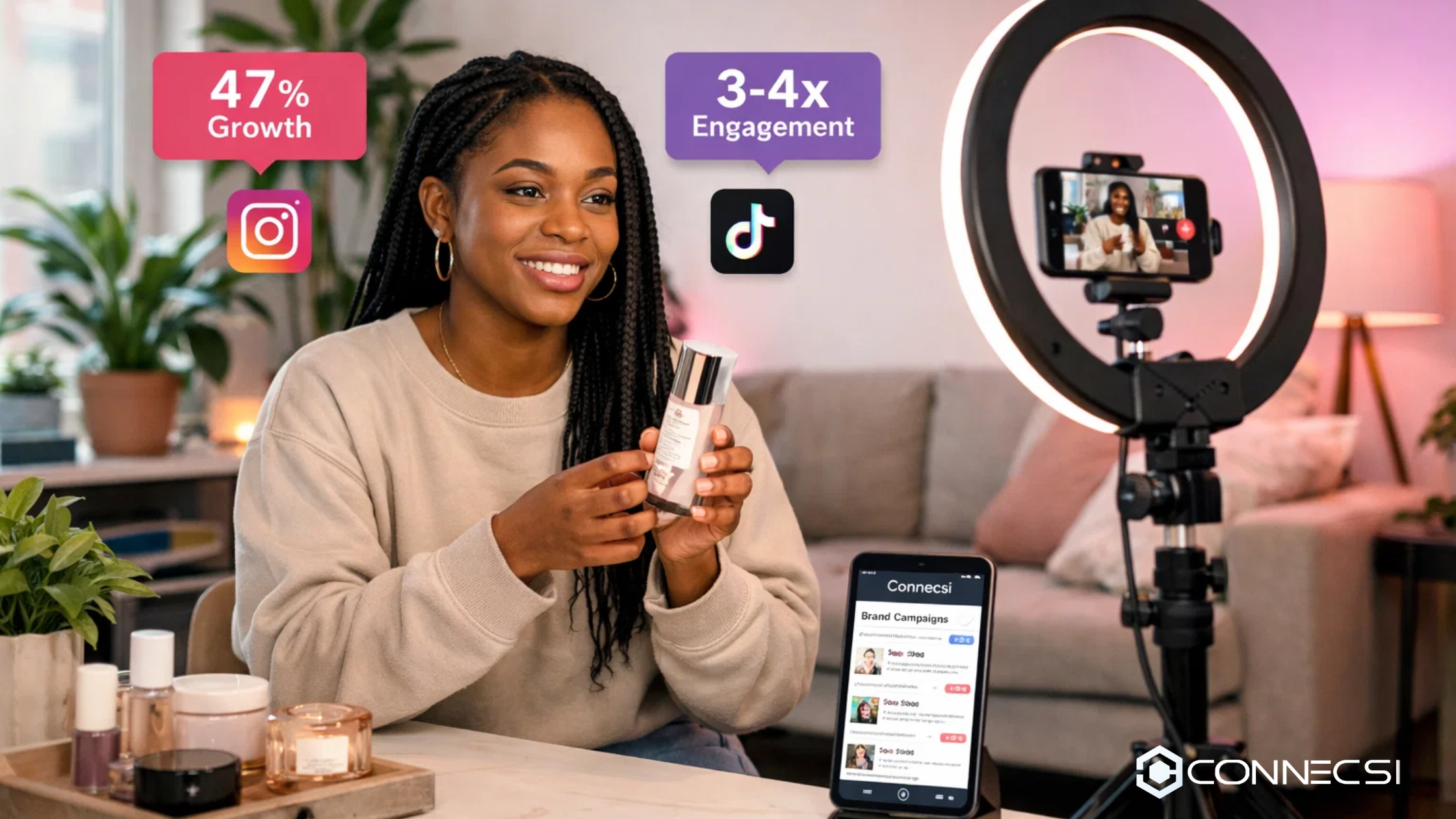
On this page
- Introduction
- Why Brands Actually Prefer Nano Influencers
- Build Your Creator Portfolio and Professional Presence
- Browse Live Brand Campaigns Seeking Creators
- Master the Cold Outreach Approach
- Set Professional Rates You Can Actually Charge
- Create or Join Nano Influencer Communities
- Common Mistakes That Keep Nano Influencers Undiscovered
- Key Takeaways
- Conclusion
Landing brand deals as a nano influencer with just 1,000-10,000 followers is not only possible—it's becoming the preferred strategy for savvy brands in 2026. While the myth persists that you need 100K+ followers to earn money from social media, the reality shows nano influencers achieve 3-4x higher engagement rates than macro creators, making them more valuable for brands focused on authentic audience connections rather than vanity metrics. Yet 73% of nano influencers report struggling to find their first paid partnership, not because brands aren't interested, but because they don't know where to look or how to position themselves professionally.
According to Statista's influencer marketing research, nano influencer partnerships grew 47% in 2025, with average campaign budgets specifically allocated for smaller creators increasing from 22% to 31% of total influencer spend. Brands now actively seek nano influencers for product launches, local marketing, and authentic testimonials—partnerships that pay $100-500 per campaign or provide significant product value.
This guide reveals exactly how nano influencers land consistent brand deals: where brands are actively looking for small creators, how to pitch yourself professionally, what rates to charge, how to build a portfolio that gets you hired, and which mistakes keep 73% of nano influencers undiscovered. Whether you're aiming for your first paid partnership or want to increase deal frequency, these strategies work for creators at every follower count from 1K to 10K.
💡 Pro Tip
Your engagement rate matters more than follower count. A creator with 3,000 followers and 12% engagement rate is more valuable to brands than one with 30,000 followers and 2% engagement. Focus on building genuine audience connections before chasing partnerships.
Why Brands Actually Prefer Nano Influencers
The shift toward nano influencer partnerships isn't charity—it's data-driven strategy. Brands discovered that smaller creators deliver better ROI than expensive macro partnerships across multiple metrics.
Engagement rates 3-4x higher: Nano influencers average 10-15% engagement while macro creators deliver 2-4%. This means a nano creator's 5,000 followers generate 500-750 engaged interactions per post, comparable to a macro creator's 50,000 followers producing 1,000-2,000 interactions—at a fraction of the cost.
Authenticity and trust: Audiences perceive nano influencers as real people sharing genuine recommendations rather than celebrities pushing products for paychecks. According to Hootsuite's social media research, 82% of consumers trust product recommendations from nano influencers compared to 51% for celebrities and macro creators.
Budget efficiency: Brands can partner with 10-15 nano influencers for the cost of one macro campaign, creating diverse content across different audience segments. A $5,000 budget funds either one 500K-follower creator or fifteen 5K-follower nano creators generating broader reach and varied perspectives.
Niche expertise: Nano influencers typically focus on specific niches—sustainable fashion, meal prep for busy parents, budget travel in Southeast Asia—making them perfect for brands targeting precise demographics. A plant-based protein brand gets better results from ten nano vegan fitness creators than one general wellness macro influencer. For detailed tier comparison strategies, explore our nano versus micro creator analysis.
Local market penetration: Regional brands and local businesses specifically seek nano influencers with geographically concentrated audiences. A boutique gym in Austin wants creators whose followers actually live in Austin, not scattered globally.
Build Your Creator Portfolio and Professional Presence
Before reaching out to brands or applying for campaigns, establish a professional creator presence that demonstrates value and builds trust.
Optimize your bio for partnerships: Include clear niche focus, location if relevant for local brands, and professional contact method. "Austin fitness • Plant-based nutrition • Partnerships: [email]" immediately signals you're open to collaborations and what you offer.
Create content consistently: Brands review your feed before partnering. Posting 3-5 times weekly shows reliability and gives them content examples to evaluate. Inconsistent posting (weeks between posts) raises red flags about whether you'll deliver campaign content on time.
Showcase product integration naturally: Even without paid partnerships yet, demonstrate how you feature products in content. Unboxing videos, routine posts featuring specific brands, product comparisons—all show brands how you'd integrate their products authentically. For guidance on creating compelling content, explore our guide on nano influencer best practices.
Save your best-performing content: Create Instagram highlight reels or TikTok folders showcasing high-engagement posts. Brands want proof your audience actually engages, not just follower counts. Organize highlights by content type: "Product Reviews," "Tutorials," "Day in the Life."
Track your metrics: Know your engagement rate, average reach, top-performing content types, and audience demographics. When brands ask "What's your engagement rate?" answering "Around 12% based on my last 20 posts" sounds professional; "Um, I'm not sure" doesn't. For comprehensive metric tracking frameworks, review our guide on creator performance metrics.
Browse Live Brand Campaigns Seeking Creators
One of the fastest-growing ways for influencers to find brand deals is through platforms where brands actively post campaigns seeking collaborators. Instead of cold outreach hoping brands notice you, you can browse opportunities matching your niche and apply directly to campaigns actively seeking creators in your follower range.
Below are live brand campaigns currently seeking creators across different niches, platforms, and follower ranges. These opportunities update in real-time as brands post new campaigns:
_Live campaigns from Connecsi • Updates in real-time as brands post opportunities_
Many creators land their first paid partnerships through platforms like this because brands are actively seeking collaborators rather than waiting for cold DMs. The advantage of platform-based discovery is that brands have already allocated budget, defined deliverables, and set timelines—you're applying to real opportunities, not pitching ideas hoping for interest.
When browsing brand campaigns, filter by your niche, platform, and follower range. Apply quickly when relevant opportunities appear—popular campaigns receive 50-100 applications within the first 48 hours. Setting up alerts for campaigns matching your niche ensures you're among the first to apply when new opportunities go live.
Master the Cold Outreach Approach
While platforms streamline discovery, direct outreach to brands you genuinely love often yields the most authentic partnerships and long-term relationships.
Target brands you actually use: Pitching products you don't use feels inauthentic and shows in content. Reach out to brands whose products appear in your existing content or that align perfectly with your niche and values. If you're a sustainable fashion creator, pitch sustainable brands—not fast fashion trying to greenwash.
Research brand partnership history: Check if they've worked with influencers before by searching branded hashtags (#BrandNamePartner, #BrandNameAmbassador) or looking at their tagged posts. If you find similar-sized creators they've partnered with, that's a green light to reach out.
Find the right contact: Don't DM the main brand account hoping someone sees it. Look for marketing manager, influencer marketing coordinator, or social media manager contacts on LinkedIn. Small brands often list team member emails on their About page. Generic info@ emails work but personalized contacts convert better.
Craft a personalized pitch: Generic "I'd love to work with you!" messages get ignored. Reference specific products, explain why your audience matches their customer demographic, and include 2-3 examples of past content showing how you'd feature their products. Keep initial outreach under 150 words—save detailed proposals for follow-up. For proven email templates, review our influencer outreach guide with response-optimized examples.
Offer value upfront: Consider creating content featuring their product before pitching payment. "I loved your [product] so much I created this post—my audience resonated strongly. I'd love to discuss an official partnership" shows initiative and gives them content proof. This works especially well for first partnerships when you lack portfolio examples.
Brands actively searching for creators use specific hashtags to find potential partners. Being discoverable in these searches generates inbound partnership opportunities without outreach effort.
Leverage collaboration hashtags strategically: Include hashtags like #BrandPartner, #NanoInfluencer, #YourNiche]Creator, #SponsoredContentCreator in posts. Don't spam every post with 30 hashtags—use 5-8 relevant ones that brands actually search when seeking creators in your niche. According to [Sprout Social's research, strategic hashtag usage increases brand discovery by 67% for nano creators.
Search brand-specific hashtags: Many brands create campaign hashtags for creator discovery: #[BrandName]Partner, #[BrandName]Collab, #[BrandName]Creator. Searching these reveals if they're actively recruiting creators and what type of content they're seeking.
Engage authentically with brand content: Thoughtful comments on brand posts (not "Love this! DM me for collabs!") help you appear on their radar. Share their posts to your Stories with genuine commentary. Tag them when you naturally use their products. This organic visibility often leads to brands reaching out to you.
Monitor "seeking influencers" posts: Brands sometimes post directly on Instagram, TikTok, or X: "Seeking fitness creators with 5K-20K followers for upcoming campaign." Turn on notifications for brands you'd love to work with so you catch these announcements immediately.
Set Professional Rates You Can Actually Charge
One of the biggest mistakes nano influencers make is drastically undercharging or accepting exploitative "exposure" offers. Knowing your worth and setting fair rates establishes professional credibility.
Calculate baseline rates: A common formula is $10 per 1,000 followers for Instagram posts, meaning a 5K-follower creator charges $50-100 per post depending on engagement rate and deliverables. High engagement rates (12%+) justify upper range or higher. TikTok rates run slightly lower; YouTube rates significantly higher due to production effort.
Factor in deliverables: One Instagram feed post costs less than a package including feed post + 3 Stories + 2 TikToks + usage rights. Price each deliverable separately: Instagram post ($50-150), TikTok video ($75-200), Stories set ($25-75), usage rights (+25-50%).
Consider usage rights carefully: If brands want to use your content in their ads, on their website, or in email marketing, charge extra. Standard rates add 25-50% for 6-month usage rights, 50-100% for perpetual rights. Never give unlimited usage rights for base rates. For comprehensive pricing strategies, explore our nano influencer pricing guide with tier-specific benchmarks.
Know when to accept product-only deals: Early partnerships with brands you genuinely love can build portfolio and relationships even without cash payment. But set limits—don't accept every product offer or you'll never transition to paid work. A good rule: accept product-only if the product value exceeds $100 and you'd actually buy it yourself.
Don't be afraid to negotiate: If a brand offers $50 for a package you priced at $150, counter professionally: "I appreciate the offer. Based on my engagement rate and deliverables, I typically charge $120 for this scope. Would that work within your budget?" Many brands have wiggle room and respect creators who know their value.
Create or Join Nano Influencer Communities
Connecting with other nano influencers provides support, shares opportunities, and often leads to brand discovery through community partnerships.
Join niche-specific creator groups: Facebook groups, Discord servers, and Slack communities focused on your niche (sustainable fashion influencers, food bloggers, fitness creators) regularly share brand opportunities members discover. Someone might share "Brand X is seeking creators—here's the contact" benefiting the entire group. Creator community networking accelerates partnership discovery significantly.
Participate in creator networks: Platforms like Collabstr, AspireIQ (free tier), and Connecsi let you create profiles and get discovered by brands actively seeking creators in your follower range and niche. Many operate on freemium models where basic profiles and applications are free.
Attend virtual creator events: Webinars, Instagram Lives, and creator summits hosted by brands or platforms often end with "we're looking for creators for upcoming campaign" announcements. These events also teach partnership strategies and provide networking opportunities.
Form creator collectives: Grouping 3-5 nano creators in similar niches lets you pitch brands collectively: "We're a collective of sustainable fashion creators with combined reach of 35K highly engaged followers." Brands love this because one contract yields multiple creator perspectives and content pieces.
Common Mistakes That Keep Nano Influencers Undiscovered
Several predictable errors prevent talented nano influencers from landing brand deals despite having great content and engaged audiences.
No business contact in bio: If brands can't easily contact you, they move to the next creator. Include professional email in bio or link to media kit with contact form. "DM for collabs" looks unprofessional—brands want direct email access.
Inconsistent posting: Posting three times one week then disappearing for two weeks signals unreliability. Brands need assurance you'll deliver campaign content on schedule. Maintain consistent posting frequency even during slow periods.
Poor content quality: Blurry photos, bad lighting, or sloppy editing make brands question whether you can create usable content. You don't need professional camera equipment, but master phone photography basics: good lighting, clean composition, sharp focus. Content quality matters more than follower count for nano creators building brand partnerships.
Fake engagement or bought followers: Brands check engagement quality, not just rates. If your 8,000 followers generate 50 likes and comments from obviously fake accounts, you won't get partnerships. Build genuine audiences even if growth is slower.
Accepting every offer desperately: Working with brands that don't align with your niche or values damages credibility. A vegan food creator promoting leather goods confuses your audience and repels relevant brand opportunities. Selectivity builds authority.
Not following up: If you pitch a brand and don't hear back in a week, one polite follow-up increases response rates 40% according to Later's outreach research. Many initial emails get buried—gentle follow-up shows professionalism and persistence.
Key Takeaways
- Nano influencers deliver 3-4x higher engagement rates than macro creators—brands actively seek small influencers
- Build professional presence: consistent posting, optimized bio, saved highlights, tracked metrics before pitching
- Browse platforms for live opportunities—brands post campaigns actively seeking collaborators in your follower range
- Set fair rates using $10 per 1K followers baseline, adjusted for engagement rate and deliverables
- Avoid common mistakes: no contact info, inconsistent posting, accepting misaligned brands, fake engagement
Conclusion
Landing brand deals as a nano influencer doesn't require waiting until you hit 100K followers or getting lucky with viral content. The 47% growth in nano influencer partnerships and increasing budget allocation toward smaller creators reflects a fundamental market shift—brands now recognize that authentic engagement beats vanity metrics, and 5,000 genuinely connected followers deliver better ROI than 500,000 passive ones.
Success comes from professional positioning: maintaining consistent quality content, knowing your metrics, setting fair rates, and being discoverable where brands actively seek creators. Whether through cold outreach to brands you genuinely love, platforms where campaigns seek applicants, or strategic hashtag usage that makes you findable, opportunities exist at every follower count from 1,000 to 10,000.
The creators landing consistent partnerships aren't necessarily those with the most followers—they're the ones who treat content creation as a professional endeavor, understand their value, and position themselves where brands are actively looking. Start with one approach that feels most natural, execute it professionally, and build from your first partnership into sustainable creator income regardless of follower count.
_Ready to get discovered by brands actively seeking nano influencers? Join Connecsi's platform to set up your profile, browse live brand campaigns, create service packages at your rates, and get matched with opportunities in your niche—all for free. Build your creator business starting today._
Keep exploring.

More insights for you.
What Your Favorite Creators Actually Earn: Inside the Highest Paid Creators of 2026
MrBeast made $300M. Another creator made $31M from just 10 million followers. Here's what the top 10 actually sell, and the do's and don'ts to borrow.
Your UGC Portfolio: You Need 5 Videos Before Any Brand Will Pay You
Most new creators pitch with nothing attached and blame a saturated market. Five sample videos changes every conversation. Here's exactly what to shoot.

Influencer Marketing Attribution: Why You Still Can't Prove What Worked
Your finance lead asks which sales came from creators. Most brands can't answer. Here's why the tracking breaks, and the stack that actually holds up.
Fresh insights.
Straight to your inbox.
- Creator partnerships
- Campaign guidance
- Industry insights