How to Find Nano Influencers in Your Niche in 2026
 Mohit Kumar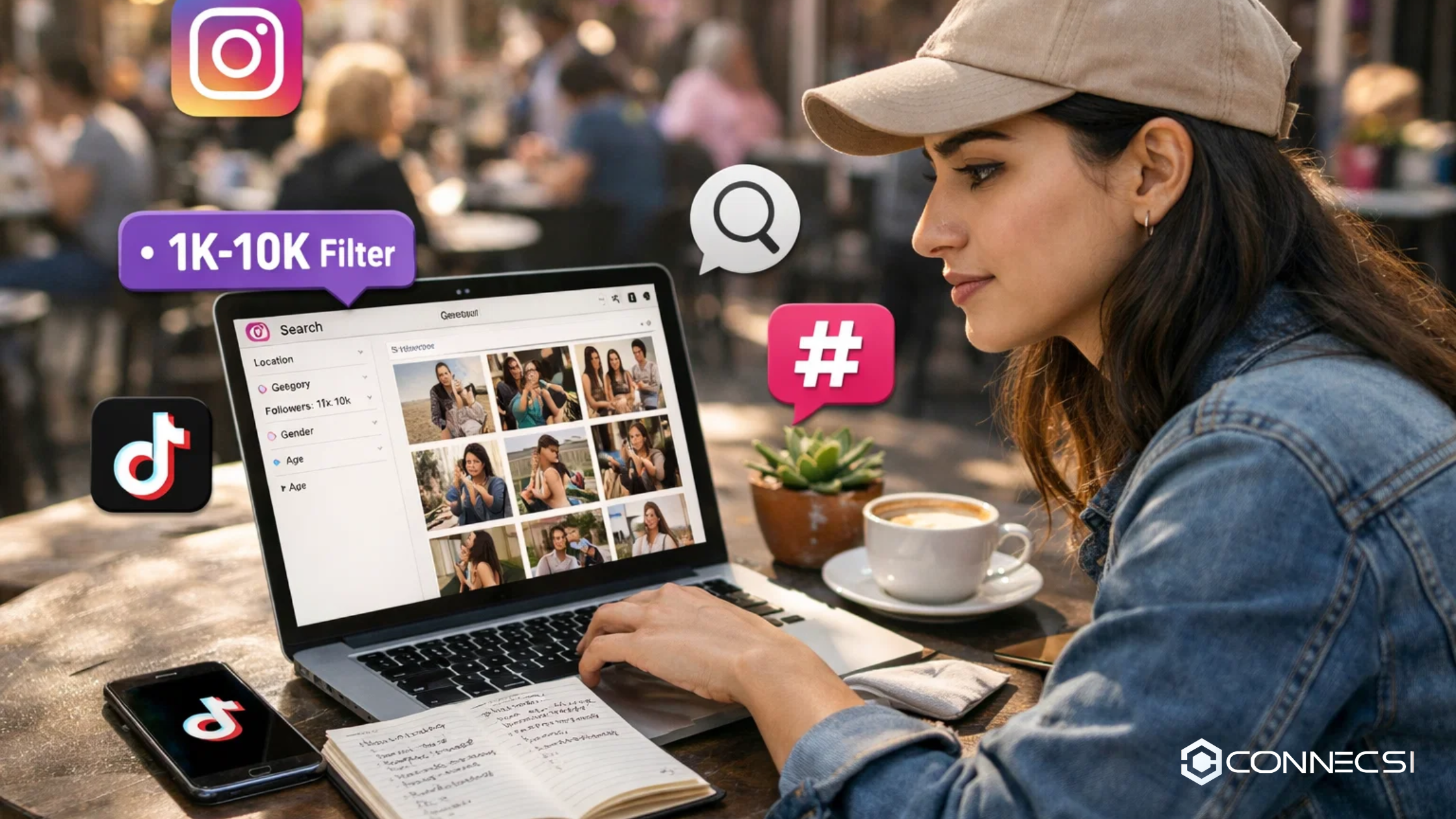
On this page
- Introduction
- Pro Tip
- Method 1: Manual Hashtag and Keyword Search
- Method 2: Mine Your Existing Customer Base and Followers
- Method 3: Competitor and Industry Analysis
- Method 4: Platform Recommendation Algorithms
- Method 5: Community and Forum Participation
- Method 6: Employee and Partner Networks
- Red Flags: Identifying Fake Nano Influencers
- Organizing and Tracking Discovered Nano Influencers
- Platform-Specific Discovery Tips
- Key Takeaways
- Conclusion
Finding nano influencers with 1,000-10,000 followers requires fundamentally different discovery strategies than locating micro or macro creators. These hyper-local, niche-focused creators rarely appear in influencer databases, don't have representation from agencies, and often don't even identify as "influencers" despite maintaining engaged communities that drive real business results. Yet their 10-15% engagement rates and sub-$250 partnership costs make them exceptionally valuable for brands willing to invest discovery effort.
According to Later's creator discovery research, 67% of successful nano influencer partnerships originate through manual platform search rather than influencer marketing platforms or databases. This means brands must develop systematic discovery processes that identify authentic community advocates hiding among millions of everyday social media users. The good news? Once you understand where to look and what signals indicate nano influence, discovery becomes straightforward and scalable.
This practical guide provides seven proven methods for discovering nano influencers in any niche, platform-specific search tactics, red flags that separate authentic creators from fake followers, and organizational systems for managing discovery at scale. Whether you're a small business owner seeking local advocates, an agency building creator networks for clients, or a brand exploring cost-effective alternatives to expensive macro partnerships, these discovery strategies help you find the authentic nano voices your target customers already trust.
Your best nano influencer partners are often already customers or engaged followers. Before investing hours in discovery, examine who already tags your brand, uses your branded hashtags, or consistently engages with your content. Many brands discover their most effective nano advocates were hiding in plain sight among existing community members.
Method 1: Manual Hashtag and Keyword Search
Platform-native search remains the most effective nano influencer discovery method, particularly for identifying creators in specific niches or geographic locations.
Instagram Discovery
Begin with 10-15 highly specific niche hashtags rather than broad category tags. If you're a vegan food brand, search #veganmeals, #plantbasedcooking, #veganfoodshare, or #whatveganseat rather than simply #vegan. Click into each hashtag and switch to the "Recent" tab to find currently active creators rather than one-time viral posts.
As you browse recent posts, look for accounts with 1,000-10,000 followers that demonstrate consistent posting (at least 2-3 posts weekly), cohesive visual aesthetic or content theme, and genuine engagement with comments rather than just posting and disappearing. Save promising profiles to a Collection for later evaluation.
Location tags provide powerful discovery for geographically focused campaigns. Search your city name, neighborhood tags, or venue-specific locations to find local nano influencers. A coffee shop can discover local lifestyle nano creators by searching their own location tag to see who posts there regularly.
TikTok Search Strategy
TikTok's search function allows filtering by accounts rather than just videos, making creator discovery more efficient. Search niche-specific keywords and filter results to show only accounts. Look for creators with 1,000-10,000 followers posting consistently in your category.
The "For You" page also surfaces relevant nano creators organically. Spend 15-20 minutes daily engaging with content in your niche—like, comment, and save videos related to your category. TikTok's algorithm will start suggesting similar creators, including nano influencers your target audience follows. According to Hootsuite's TikTok research, this passive discovery often reveals creators manual search misses.
YouTube Niche Search
YouTube works best for discovering nano creators through specific long-tail searches. Rather than broad terms like "fitness," search "home workouts for busy moms" or "strength training for runners over 40." Filter results by upload date to find active creators, then check channel subscriber counts to identify those in the 1,000-10,000 range.
YouTube's recommendation algorithm helps discovery too. Watch several videos in your niche from smaller creators, and YouTube will suggest similar channels including nano creators serving the same audience.
Method 2: Mine Your Existing Customer Base and Followers
Your most valuable nano influencer partners often already know and love your brand—you just need to identify them systematically.
Export your social media followers list and filter for accounts with 1,000-10,000 followers. Many social media management tools provide follower analytics showing which followers have notable followings themselves. Visit these profiles to assess content quality, engagement rates, and brand alignment.
Review every tagged post and branded hashtag mention from the past 3-6 months. Customers who photograph your products, tag your location, or use your branded hashtags often have small but engaged followings. These organic brand enthusiasts make exceptional nano partners because they already demonstrate authentic affinity.
Check your email subscriber list for social media profile links in signatures or profile fields if your email platform supports social data appending. Some email marketing services can identify which subscribers maintain social media accounts and surface those with notable followings.
Customer review platforms also reveal potential nano partners. Customers who write detailed positive reviews on Google, Yelp, or industry-specific platforms often create content on social media too. Their reviewer profiles sometimes link to social accounts worth investigating.
Method 3: Competitor and Industry Analysis
Brands in your category have already done discovery work—leverage their research by identifying nano creators working in your space.
Visit 5-10 competitor brand accounts and examine their tagged posts over the past 2-3 months. Note which nano creators tag competitors organically versus through obvious sponsored partnerships. Creators who genuinely love competitor products likely care about your category and would consider partnerships with you.
Check competitor branded hashtags to find nano creators participating in campaigns or organically using competitor products. These creators understand your industry, create category-relevant content, and reach your target audience.
Industry event hashtags surface nano creators actively participating in your community. If you're in the fitness industry, search hashtags from industry expos, local races, or community events. Attendees who post about these events often maintain engaged local followings.
Don't directly poach competitors' sponsored influencers—that's poor form. But discovering creators who organically engage with your category and currently work with some brands while remaining available for new partnerships is fair game and efficient discovery.
Method 4: Platform Recommendation Algorithms
Social media algorithms can become powerful discovery tools when you train them to surface relevant nano creators.
Create a dedicated discovery account or use private browsing to avoid skewing your personal algorithm. Follow 20-30 accounts in your exact niche—competitors, category leaders, and relevant creators. Engage heavily with their content through likes, comments, saves, and shares.
Within 3-5 days, Instagram's explore page and TikTok's For You page will start suggesting similar accounts, including nano creators serving the same audience. This passive discovery requires minimal active search while surfacing creators your target customers already follow.
YouTube's "Channels you might like" feature works similarly. Subscribe to several nano and micro creators in your niche, watch their videos completely, and YouTube will suggest similar channels including nano creators you wouldn't find through keyword search alone.
Pinterest's "More like this" and "People also viewed" features surface nano creators when you engage with pins in your category. This works particularly well for visual niches like home decor, fashion, food, and crafts where Pinterest maintains strong nano creator presence.
Method 5: Community and Forum Participation
Nano influencers often build initial followings through active participation in niche communities before expanding to broader social media presence.
Join 5-10 Facebook Groups, subreddit communities, Discord servers, or LinkedIn groups related to your niche. Observe over 2-3 weeks to identify members who consistently provide valuable insights, generate discussion, and demonstrate subject matter expertise. These active community members often maintain social media accounts with engaged nano followings.
Quora and Reddit can reveal subject matter experts creating content in your space. Search questions related to your industry and identify users who provide detailed, helpful answers. Check their profile links for social media accounts—many Reddit and Quora contributors maintain Instagram, YouTube, or TikTok accounts with nano-scale followings.
Industry-specific forums and community sites often have member directories or profile features showing social media links. Browse active members' profiles to discover nano creators already passionate about your category.
Local community groups on Nextdoor or neighborhood Facebook groups surface local nano influencers. Active participants in community discussions about local businesses, events, or recommendations often have modest but highly engaged local social followings.
For discovery strategies applicable across all influencer tiers, review our comprehensive guide on finding and vetting influencers systematically.
Method 6: Employee and Partner Networks
Your existing business relationships often connect you to nano influencers through just one or two degrees of separation.
Survey employees to identify team members with 1,000-10,000 followers on social platforms. Many companies discover employees maintain relevant nano followings in categories adjacent to company products. A tech company might have developers with coding tutorial channels, or a fitness brand might employ trainers with local fitness followings.
Business partners, vendors, and suppliers often have social media presence worth investigating. A restaurant's food suppliers, local farmers, or specialty vendors may maintain nano followings in food and sustainability spaces. B2B brands can examine client companies' employees who might create industry-related content.
Professional networks surface nano influencers in B2B contexts. LinkedIn connections who regularly share industry insights, speak at conferences, or teach workshops often have nano-scale but highly engaged professional followings.
Ask existing nano partners for recommendations. Creators working in the same niche often know each other and can introduce you to peers who align with your brand. This warm introduction approach typically yields better response rates than cold outreach.
Red Flags: Identifying Fake Nano Influencers
Not every account with 1,000-10,000 followers represents genuine nano influence. Watch for warning signs that indicate purchased followers or inauthentic engagement.
Sudden follower spikes visible through third-party analytics tools suggest purchased followers rather than organic growth. Authentic nano creators show steady gradual growth or small bumps from occasional viral posts, not massive overnight jumps from 1,200 to 8,500 followers.
Engagement rate below 3% indicates fake followers or inactive audiences. Genuine nano influencers maintain 8-15% engagement. If someone has 5,000 followers but posts get only 50-100 likes with minimal comments, their audience isn't real or isn't engaged.
Generic bot comments like "Nice pic!" "Love this!" or emoji-only responses suggest engagement pods or purchased engagement rather than authentic community interaction. Real nano influencer comments include questions, detailed responses, tagged friends, and substantive conversations.
Follower-following ratio problems can indicate follow-for-follow schemes. If someone follows 8,000 accounts while having 5,000 followers, they likely used follow-unfollow tactics rather than building organic audience. Authentic creators typically follow 500-2,000 accounts while maintaining nano followings.
Inconsistent content quality or posting suggests the account isn't a serious creator. Look for consistent posting frequency (2-3+ times weekly), cohesive aesthetic or theme, and clear content niche. Accounts posting randomly with no pattern or theme don't function as genuine influencers.
Organizing and Tracking Discovered Nano Influencers
Effective discovery requires systematic organization preventing duplicate outreach and enabling performance tracking.
Create a simple spreadsheet with columns for: creator name, platform, handle, follower count, engagement rate, niche/category, location, contact method, outreach status, and notes. This central database prevents losing track of discovered creators and enables efficient batch outreach.
Use platform-native organization tools as supplementary systems. Instagram Collections, Twitter Lists, TikTok Favorites, and YouTube playlists let you group discovered creators by category, priority, or campaign type for quick reference.
Implement a simple status tracking system: "Discovered" (found but not contacted), "Contacted" (outreach sent), "In Discussion" (they responded), "Partnership Agreed" (active or upcoming collaboration), "Completed" (past partnership), "Declined" (passed on partnership), "Not Aligned" (discovered but not right fit).
Tag creators with relevant attributes: location (for local campaigns), niche specifics (vegan food, sustainable fashion, budget travel), content style (photography-focused, video-heavy, educational), and partnership preferences (product only, requires payment, long-term interested).
Set discovery goals and track progress. Aim to discover 20-30 potential nano partners monthly. Review your database quarterly to re-evaluate creators who've grown beyond nano tier, update engagement rates, and remove inactive accounts.
Understanding nano influencer fundamentals helps contextualize why systematic discovery matters and what to look for during vetting.
Platform-Specific Discovery Tips
Each platform requires slightly different approaches for optimal nano creator discovery.
Instagram: Focus on hashtag and location search. Engage with content in explore page related to your niche to train recommendations. Check who comments frequently on micro influencers in your space—engaged commenters often have their own nano followings.
TikTok: Use sounds and trends to find nano creators. Search popular sounds in your category and filter by creator accounts. Nano creators using trending sounds before they go mainstream often demonstrate content savvy worth partnering with.
YouTube: Search long-tail keywords and sort by upload date. Small channels posting consistently on specific topics often have engaged nano followings. Check who comments thoughtfully on larger channels—some are nano creators themselves.
LinkedIn: Search by job title and location for professional nano influencers. Filter posts by engagement to find thought leaders with modest but engaged followings. Industry-specific hashtags surface B2B nano creators.
X: Advanced search allows filtering by follower count ranges. Search niche keywords with follower filters to find nano creators. X Lists curated by industry leaders often include emerging nano voices.
- 67% of successful nano partnerships originate through manual platform search rather than databases—invest time in hashtag search, location tags, and platform-native discovery tools for best results
- Your existing customers and engaged followers often include hidden nano influencers—examine who tags your brand, uses branded hashtags, or consistently engages with your content before searching externally
- Competitor analysis reveals nano creators already working in your category—review tagged posts, branded hashtags, and organic mentions to discover creators who understand your industry
- Train platform algorithms by heavily engaging with niche content—within 3-5 days, explore pages and recommendation feeds surface relevant nano creators your manual search might miss
- Red flags include sudden follower spikes, engagement below 3%, generic bot comments, extreme follower-following ratios, and inconsistent posting—authentic nano creators show steady growth and genuine community interaction
- Systematic organization through spreadsheets and platform collections prevents duplicate outreach and enables tracking 20-30 new discoveries monthly with clear status updates and categorical tagging
Conclusion
Finding nano influencers requires more manual effort than discovering larger creators listed in influencer databases, but the investment pays dividends through authentic partnerships that deliver exceptional engagement at minimal cost. The 10-15% engagement rates and sub-$250 partnership costs nano creators offer make discovery time worthwhile for brands of all sizes.
The most successful nano discovery strategies combine multiple methods rather than relying on single approaches. Start by mining your existing community for hidden advocates, supplement with systematic hashtag and location search, leverage competitor research for category-specific discoveries, and train platform algorithms to surface ongoing recommendations. This multi-pronged approach builds robust nano creator pipelines that support scaled campaigns.
Remember that nano influencer discovery is ongoing rather than one-time. As you build relationships with initial partners, they'll introduce you to peers in their networks. As your branded hashtags gain traction, new nano creators will discover you organically. As platform algorithms learn your discovery patterns, recommendations become increasingly relevant. The discovery infrastructure you build today compounds over time, making future nano partnerships progressively easier to source.
The brands thriving with nano influence in 2026 don't view discovery as a barrier—they recognize it as a competitive advantage. While competitors chase overbooked micro and macro creators, systematic nano discovery uncovers authentic advocates eager to partner with brands that value their genuine community connections over vanity follower counts.
Ready to streamline nano influencer discovery and management? Connecsi's platform helps you identify, organize, and track creator partnerships across all tiers—from nano to mega. Build scalable discovery processes that consistently surface authentic community advocates for your brand.
More insights for you.

What Your Favorite Creators Actually Earn: Inside the Highest Paid Creators of 2026
MrBeast made $300M. Another creator made $31M from just 10 million followers. Here's what the top 10 actually sell, and the do's and don'ts to borrow.

Your UGC Portfolio: You Need 5 Videos Before Any Brand Will Pay You
Most new creators pitch with nothing attached and blame a saturated market. Five sample videos changes every conversation. Here's exactly what to shoot.

Influencer Marketing Attribution: Why You Still Can't Prove What Worked
Your finance lead asks which sales came from creators. Most brands can't answer. Here's why the tracking breaks, and the stack that actually holds up.
Fresh insights.
Straight to your inbox.
- Creator partnerships
- Campaign guidance
- Industry insights